


Isar Lager Under the Microscope: What 28 Breweries Taught Us
At Escarpment Labs, we're proud of the performance and flavour profile of our Isar Lager yeast, a strain selected for its ability to deliver clean, balanced lagers with reliable fermentation characteristics.
Isar is our “house lager” strain of choice, because it consistently delivers neutral flavours (lower acetaldehyde and ester formation than 34/70 variants, at the expense of slightly slower fermentations).
But like all things in brewing, the lager fermentation process isn't one-size-fits-all. Last year, some brewers reached out to our team with feedback: while Isar Lager generally performed well, certain brews showed longer-than-expected lag times and slow fermentations.
As a lab committed to data-driven support and continuous improvement, we took this as a valuable opportunity to learn. Specifically, we wanted to investigate:
- Are there patterns among brewers reporting longer fermentations?
- Could malt type, fermentation temperature, or nutrient strategy be driving the variability?
- Are there actionable best practices we can recommend to improve Isar Lager fermentation outcomes?
To answer these questions, we surveyed brewers who had recently used Isar Lager. We collected and cleaned responses from 28 breweries, covering a range of beer styles, process setups, and fermentation timelines.
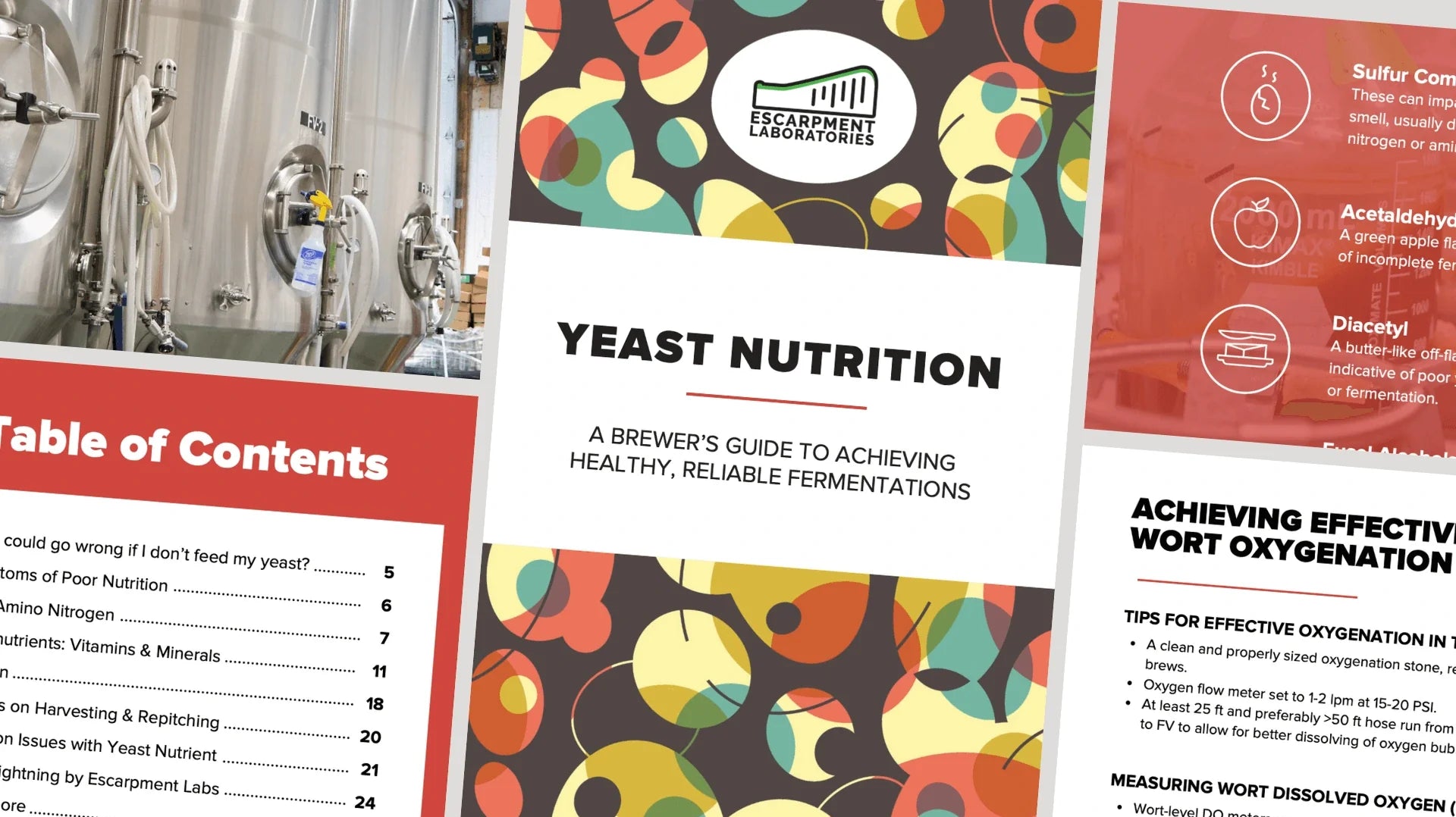
DOWNLOAD: YEAST NUTRITION GUIDE
From understanding the importance of yeast nutrition to practical tips for achieving optimal fermentation conditions, this guide equips brewers with the knowledge and tools needed for consistent and flavourful brews.
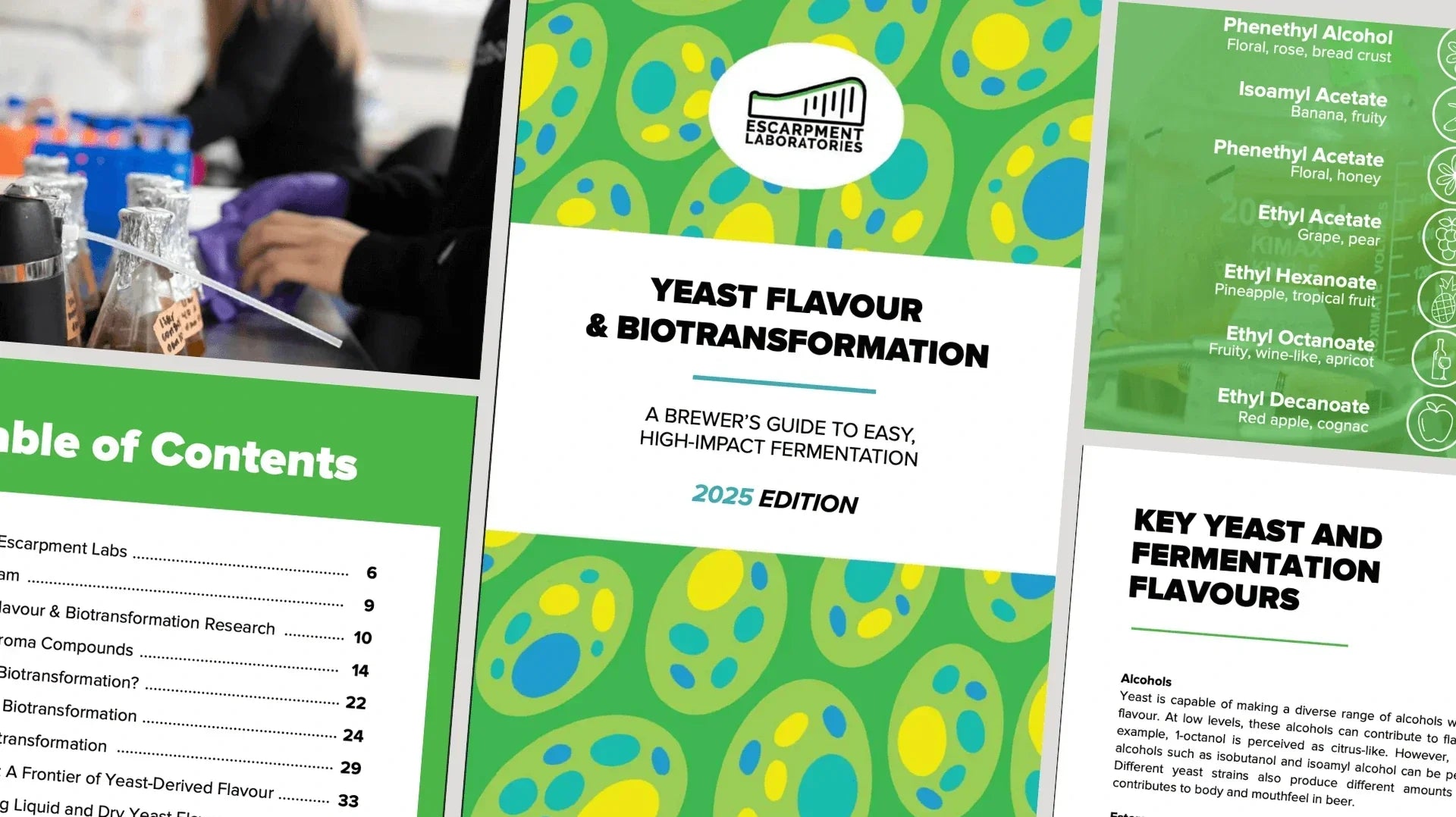
DOWNLOAD: YEAST FLAVOUR & BIOTRANSFORMATION GUIDE
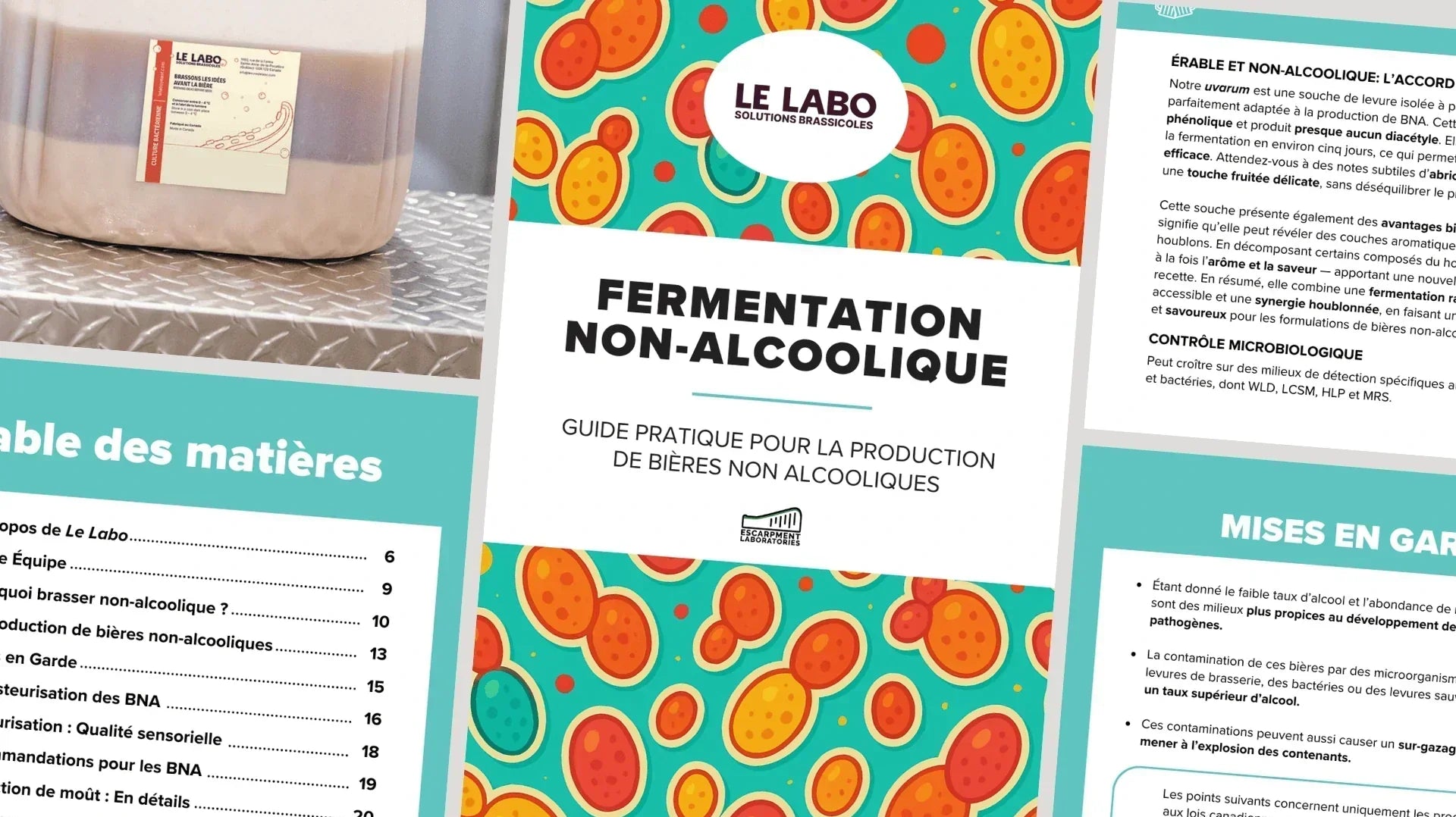
NEW DOWNLOAD: NON-ALCOHOLIC FERMENTATION GUIDE